
How a Firm Mattress Helps with Spine Alignment and Posture

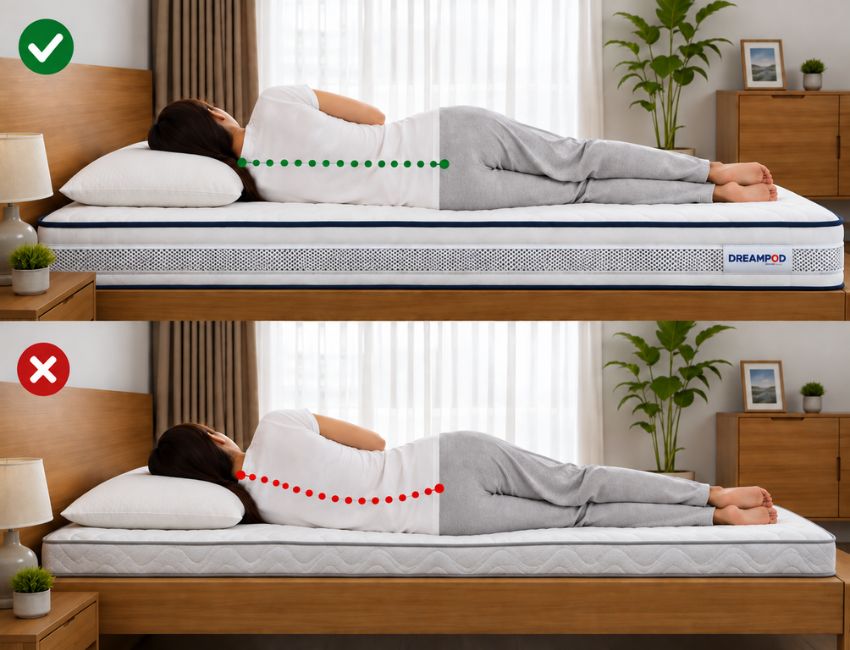
Waking up with a stiff back or feeling uncomfortable after a full night’s sleep can make you question your mattress. But does a firmer mattress actually help your spine stay aligned, or is a softer surface sometimes the better choice?
The answer is not simply about choosing the hardest mattress you can find. What matters is how well the mattress supports your body, suits your sleeping position, and allows your spine to remain in a comfortable, neutral position while you sleep.
Can a Firm Mattress Help with Spine Alignment?
A firm mattress can help support spinal alignment for some sleepers by limiting excessive sinking around the heavier parts of the body. This can be particularly relevant for people who prefer sleeping on their back or need a more stable sleeping surface.
However, firmness and support are not the same thing.
A mattress can feel firm but still fail to provide comfortable support in the areas where your body needs it. Similarly, a mattress that is slightly softer can provide good support if its construction distributes your weight effectively.
The goal is not to find the firmest mattress. It is to find a mattress that provides the right balance of support and comfort for your body.
How Mattress Firmness Can Affect Your Sleeping Posture
Your mattress plays a role in the position your body maintains while you sleep. If a mattress allows your hips or midsection to sink too deeply, it can affect the position of your spine. On the other hand, an excessively firm surface may create uncomfortable pressure around areas such as the shoulders and hips.
This is why mattress choice should take your usual sleeping position into account.
For Back Sleepers
Back sleepers generally benefit from a surface that supports the natural curves of the body without allowing the lower back or hips to sink excessively.
A supportive firm or moderately firm mattress may feel comfortable for people who prefer a stable surface. The important point is that the mattress should support the body evenly rather than simply feeling hard.
For Side Sleepers
Side sleepers need to consider pressure distribution as well as support.
The shoulders and hips carry more pressure when sleeping on your side. A mattress that is excessively firm may feel uncomfortable in these areas, while a mattress with appropriate responsiveness can allow these areas to settle without excessive sinking.
If you sleep on your side, do not choose a mattress based only on the word “firm”. Consider how the surface feels around your shoulders, hips and waist.
For Stomach Sleepers
Stomach sleepers may want to avoid excessive sinking around the middle of the body. A supportive surface can help prevent the body from settling too deeply into the mattress.
Comfort is still important, particularly around the chest, hips and abdomen. Your sleeping position should therefore be part of the decision when choosing mattress firmness.
Is a Firm Mattress Always Better for Your Back?
No.
This is one of the most important things to understand before buying a mattress for back support.
A very firm mattress is not automatically better for your spine. If the surface creates pressure or does not accommodate your body’s shape, it may feel uncomfortable even if it provides a firm sensation.
Your ideal mattress can depend on your body type, sleeping position, personal comfort preferences and the construction of the mattress.
Instead of asking, “Is a firm mattress better?”, a more useful question is:
“Does this mattress provide the right support for my body while keeping me comfortable in my usual sleeping position?”
That is a much better way to evaluate a mattress.
Firmness vs Support: What Should You Look For?
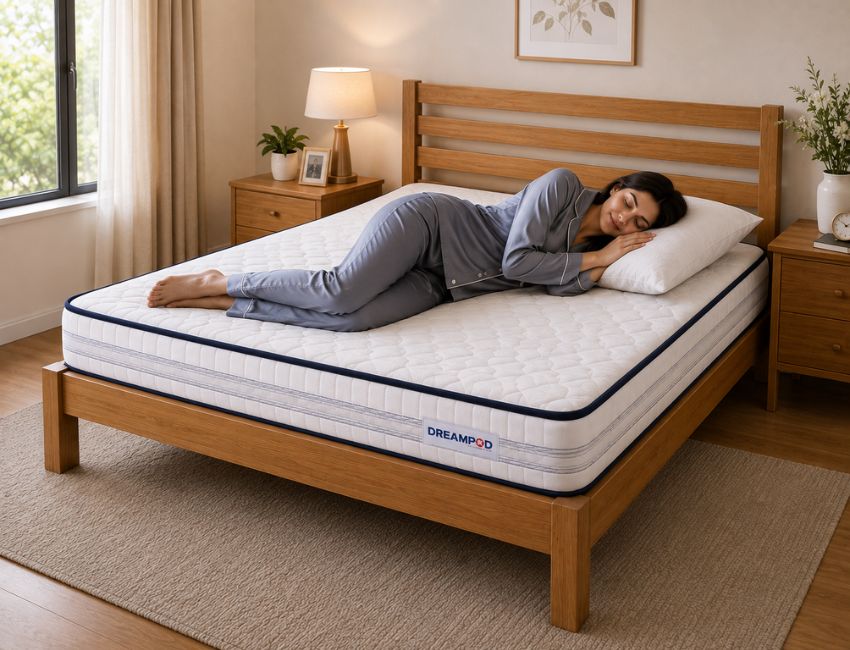
Firmness describes how the mattress feels when you lie on it. Support is about how effectively the mattress responds to your body and helps you maintain a comfortable sleeping position.
This distinction matters when looking for a mattress for spinal alignment.
A mattress designed with appropriate layers and materials can combine a supportive base with a more responsive comfort surface. This can make the mattress feel supportive without requiring an excessively hard sleeping surface.
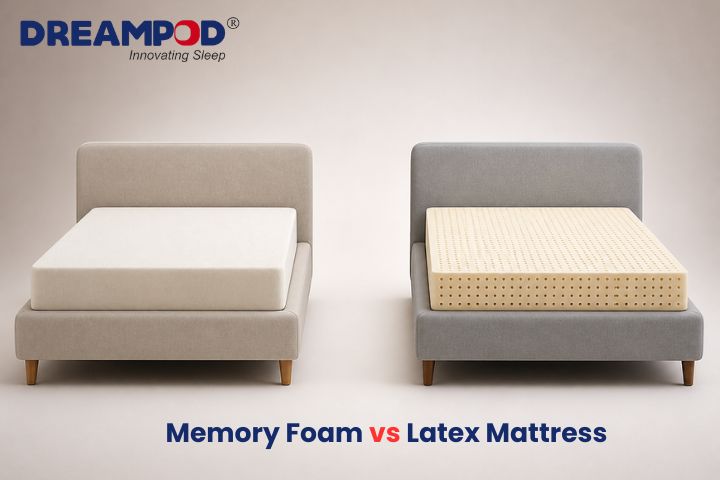
Latex is one material worth considering because of its responsive characteristics. Rather than allowing the body to simply sink into the mattress, latex can respond to changes in pressure and movement.
Could a Latex Mattress Help with Back Support?
A latex mattress can be worth considering if you want a combination of responsiveness, comfort and support.
Latex mattresses are often chosen by sleepers who prefer a more responsive feel compared with mattresses where the body sinks more deeply into the surface.
For someone comparing mattresses for spinal alignment, it is useful to look beyond firmness and consider the overall construction. The comfort layer, support layers and way the mattress responds to body weight can all influence how the mattress feels during sleep.
This is where choosing a mattress based on its construction rather than a single firmness label can make the decision easier.
Why Consider the Dreampod Serene Latex Mattress?
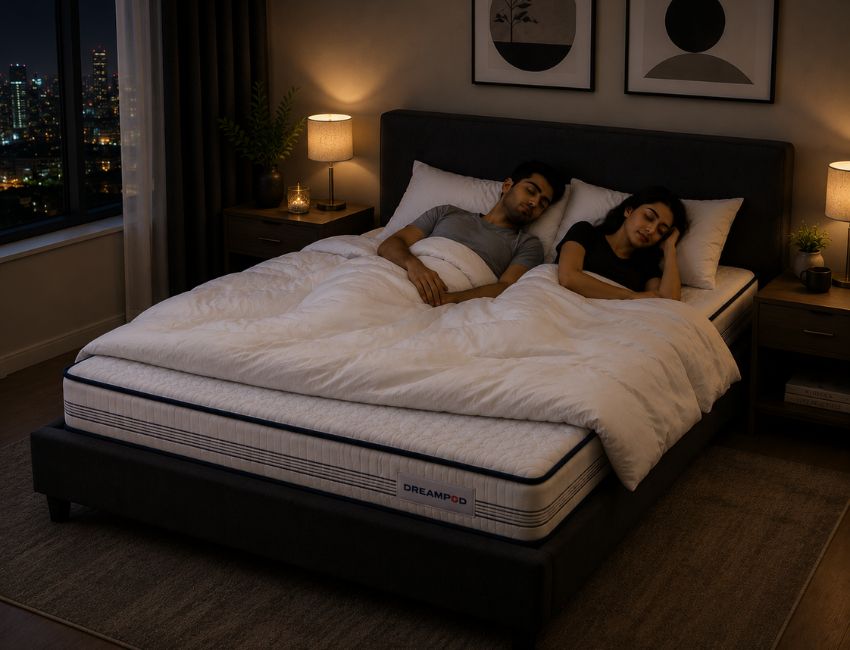
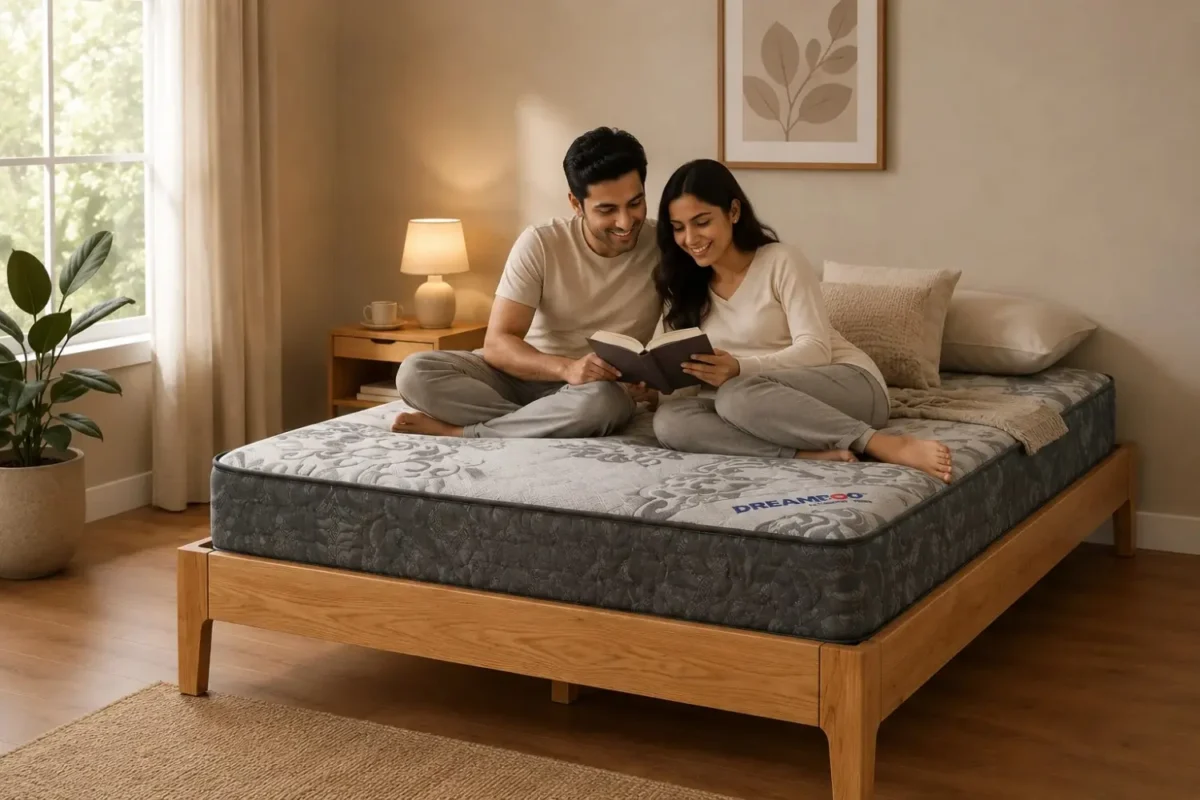
The Dreampod Serene Latex Mattress is designed around latex based comfort and support, making it a relevant option for people researching mattresses with a focus on back support and sleeping comfort.
Its 4 layer foam technology is designed to bring together different layers within the mattress rather than relying on a single material. The mattress is also positioned around comfort and spine support, which are important considerations when choosing a mattress for your sleeping posture.
But mattress comfort is personal. A mattress that feels right for one person may not feel the same for another.
That is why Dreampod offers a 100 Night Comfort Trial, giving customers time to experience the mattress in their own sleeping environment.
The mattress also comes with a 10 Year Product Warranty, which is another factor worth considering when evaluating a mattress as a long term purchase.
Frequently Asked Questions
Q1. Is a firm mattress good for spinal alignment?
Answer: A firm mattress can support spinal alignment for some sleepers, but firmer does not automatically mean better. Your sleeping position, body type, comfort preferences and mattress construction all influence whether a mattress provides suitable support.
Q2. Is a firm mattress good for back sleepers?
Answer: A firm or supportive mattress can be comfortable for many back sleepers because it can reduce excessive sinking around the hips and lower back. The mattress should still provide enough comfort to support the body’s natural curves.
Q3. Is a firm mattress suitable for side sleepers?
Answer: It can be, but side sleepers should pay close attention to pressure around the shoulders and hips. A mattress that is too firm may feel uncomfortable, so support and pressure distribution are both important.
Q4. Can a mattress affect sleeping posture?
Answer: Yes. The way a mattress supports your body can influence your sleeping position. Excessive sinking or inadequate support may make it harder to maintain a comfortable position throughout the night.
Q5. Is a latex mattress good for back support?
Answer: A latex mattress can be a suitable option for people looking for a responsive and supportive sleeping surface. However, the right mattress depends on the individual’s sleeping position, body type and comfort preferences.
Q6. What should I look for in a mattress for spine alignment?
Answer: Look beyond firmness alone. Consider how the mattress supports your body, how it feels in your usual sleeping position, whether it creates uncomfortable pressure and whether its overall construction suits your needs.

 Special Offer:Buy a Double Mattress & Get 2 Free Microfibre Pillows