
Memory Foam vs Latex Mattress: Which One Is Right for You?

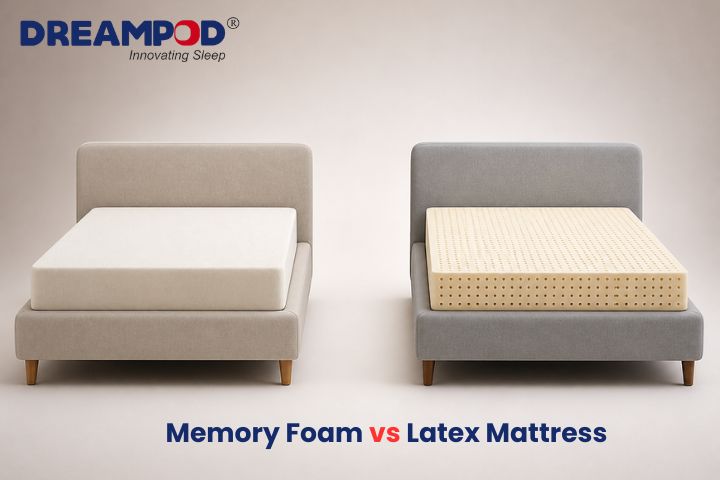
Memory foam and latex are both popular mattress materials, but they offer very different sleep experiences. Memory foam is known for its close body contouring and pressure relief, while latex has a more responsive feel with less sinkage.
So, which is better: memory foam or latex? The answer depends on factors such as your sleeping position, comfort preference, tendency to sleep hot, and budget. Let’s compare the two across these factors to help you decide which mattress is better suited to your needs.
What is a memory foam mattress?
A memory foam mattress is made from viscoelastic foam that reacts to heat and pressure. When you lie down, it softens and molds to your body, creating a body contouring effect that many sleepers find deeply comforting.
This material is especially known for its pressure relief. It evenly distributes body weight, reducing stress on areas like the shoulders, hips, and lower back. That’s why memory foam mattress benefits are often highlighted for people dealing with joint pain or stiffness.
Another standout feature is motion isolation. If you share your bed, memory foam absorbs movement, meaning you’re less likely to be disturbed when your partner shifts during the night.
However, traditional memory foam tends to retain heat. Modern designs, including those from Dreampod, often incorporate cooling gels and breathable layers to improve airflow and reduce overheating.
What is a latex mattress?
A latex mattress is made from natural or synthetic rubber. Natural latex, especially organic latex mattress variants, is derived from rubber tree sap and is considered an eco-friendly mattress option.
Unlike memory foam, latex doesn’t hug your body as deeply. Instead, it offers a responsive, slightly bouncy feel. It adapts quickly to movement and provides consistent sleep posture support, which helps maintain proper spinal alignment.
Latex mattress benefits also include excellent breathable mattress materials. Its open-cell structure allows air to circulate, making it a naturally cooling mattress ideal for hot sleepers.
Another key advantage is durability. Latex mattresses often have a longer mattress lifespan, maintaining their shape and support for years without sagging.
Key Differences Between Memory Foam and Latex Mattresses
The main difference is how they feel and respond to your body. Memory foam is better for deep contouring and pressure relief, while latex excels in responsiveness and cooling.
Here’s a clear comparison:
- Comfort & Feel: Memory foam offers a slow, sinking feel with deep body contouring. Latex feels more buoyant and responsive, with less sink.
- Cooling & Breathability: Latex naturally stays cooler due to airflow. Memory foam can retain heat, though newer models include cooling technology.
- Durability: Latex mattress vs memory foam durability favours latex, which typically lasts longer and resists sagging better.
- Motion Isolation: Memory foam absorbs motion effectively. Latex transfers slightly more movement but still performs well.
- Price: Memory foam is generally more budget-friendly, while latex, especially natural variants, comes at a higher cost.
Memory Foam vs Latex for Different Sleepers
Your sleeping style plays a huge role in choosing the right mattress.
Side sleepers usually benefit from memory foam because of its superior pressure relief. It cushions the shoulders and hips, preventing discomfort in these high-pressure areas.
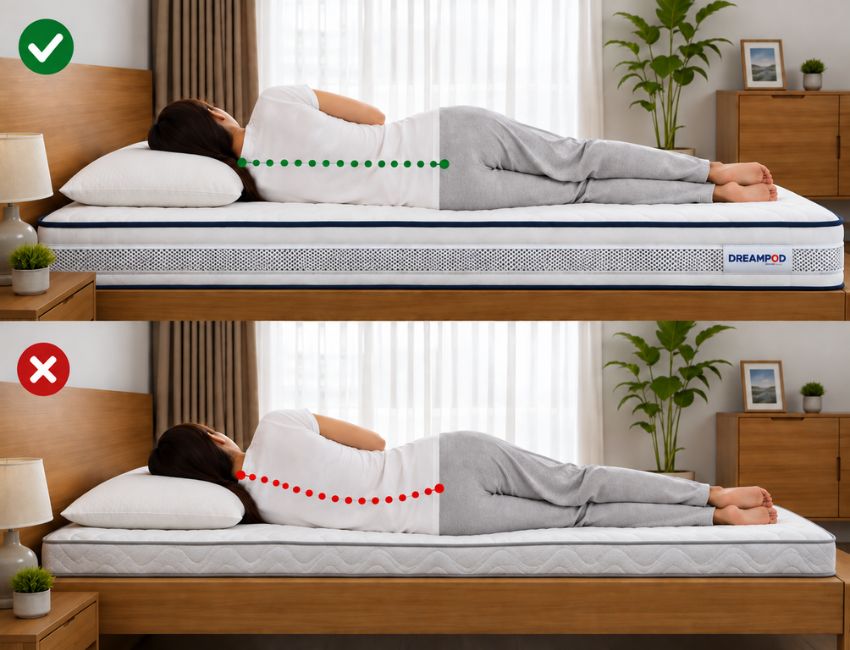
Back sleepers often prefer latex due to its balanced support and responsiveness. It helps maintain a neutral spine without letting the body sink too deeply.
Hot sleepers should lean towards latex. Its naturally breathable structure promotes airflow, making it a more effective cooling mattress than traditional foam.
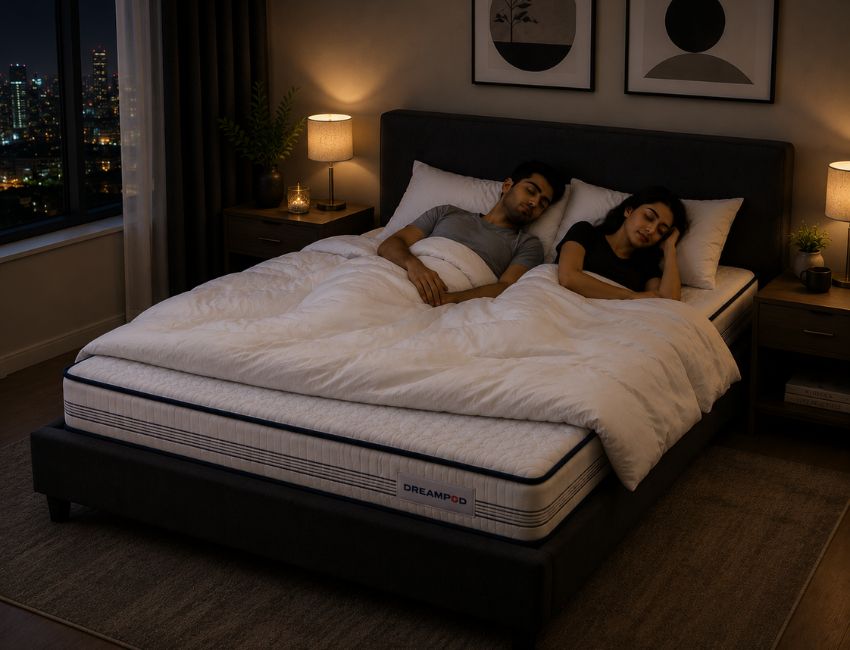
Couples might find memory foam more appealing because of its excellent motion isolation. If one partner moves frequently, the other remains undisturbed.
Which Mattress is Better for Back Pain?
If you’re asking which mattress is better, memory foam or latex, for back pain, the answer depends on your specific needs.
Memory foam is better for pressure relief and contouring, making it ideal for those with joint pain or who prefer a softer feel. It cushions pressure points and supports the natural curve of your spine.
Latex, on the other hand, provides firmer, more consistent support. It keeps your spine aligned without excessive sinking, which can be beneficial for chronic lower back pain.
For most users, a medium-firm mattress, whether memory foam or latex, offers the best balance of comfort and spinal alignment.
Pros and Cons of Memory Foam and Latex Mattresses
Memory Foam Mattress Benefits:
- Excellent pressure relief and body contouring
- Strong motion isolation for couples
- More affordable options available
- Can retain heat without cooling technology
Latex Mattress Benefits:
- Naturally breathable and cooling
- Durable with a longer mattress lifespan
- Responsive support for better movement
- Often hypoallergenic and eco-friendly
- Higher upfront cost
Which Mattress Should You Choose?
Choosing between a latex vs memory foam mattress comes down to your priorities.
If you want a mattress that hugs your body, reduces pressure points, and minimises motion transfer, memory foam is a solid choice. It works particularly well for side sleepers and those with joint discomfort.
If you prefer a cooler, more responsive surface with long-term durability, latex is the better option. It’s ideal for hot sleepers, eco-conscious buyers, and those needing firmer support.
Think about your sleep habits, body type, and climate. For example, if you live in a warmer region in India, a latex mattress may offer better comfort throughout the year. On the other hand, if budget is a concern, a high-quality memory foam mattress can still deliver excellent sleep quality.
Why Choose Dreampod Mattresses?
When exploring options like the best latex mattress in India or advanced memory foam designs, Dreampod stands out for its thoughtful construction and user-focused design.
Dreampod mattresses combine breathable mattress materials, advanced foam layers, and ergonomic support systems to suit a wide range of sleepers. Whether you’re looking for pressure-relieving memory foam or a responsive latex alternative, their lineup is designed to balance comfort, durability, and affordability.
You can explore Dreampod’s mattress range to find models tailored for back pain relief, cooling performance, and long-term support all without overcomplicating the buying process.
FAQs
Q1. Is latex better than memory foam?
Answer: Latex is better for cooling, durability, and responsiveness, while memory foam is better for pressure relief and motion isolation. The right choice depends on your sleep needs.
Q2. Which mattress lasts longer?
Answer: Latex mattresses typically last longer due to their resilient structure. They maintain shape and support better over time compared to memory foam.
Q3. Which is cooler for hot sleepers?
Answer: Latex is cooler because of its natural airflow and breathable design. Memory foam can feel warmer unless it includes cooling layers.
Q4. Is latex mattress worth the price?
Answer: Yes, if you value durability, eco-friendliness, and cooling comfort. While it costs more upfront, its longer lifespan can make it a better long-term investment.
Q5. How do I choose between latex vs memory foam mattress?
Answer: Focus on how you sleep: choose memory foam for contouring and pressure relief, or latex for responsiveness and cooling.

 Special Offer:Buy a Double Mattress & Get 2 Free Microfibre Pillows